Is Capitalism Killing Marketing?
December 4, 2025
A 40-Year Agency Founder on Why the Post-COVID Corporate Rebound Broke the Soul of Our Industry
For more than four decades, I’ve lived inside the marketing world — founding, funding, scaling, hiring, and eventually selling three agencies to a global holding company. I’m not an idealist. I’m not anti-business. I’m certainly not anti-capitalist. In fact, I am very much a capitalist. And that’s exactly why I’m worried about what modern capitalism is doing to marketing. Because something fundamental has shifted.
The passion is fading.
The loyalty is gone.
The creativity feels constrained.
And the people inside the system — on both the client side and agency side — are operating with a level of disillusionment I’ve never seen.
This isn’t a generational problem.
It’s not a talent problem.
It’s not even a marketing problem.
It’s a capitalism problem — or more accurately, a problem with the hyper-efficient, short-term, profit-maximizing version of capitalism we’ve doubled down on since COVID. Let’s talk about how we got here.
COVID Was the Strange, Temporary Moment When Capitalism Became Human
During the pandemic, something remarkable happened across corporate America:
- Shareholders accepted that profits would be inconsistent.
- Companies showed uncommon flexibility and compassion.
- Employees — at least those fortunate enough to keep their jobs — felt genuinely cared for, supported, and protected.
- Marketing teams, in particular, became essential communicators: internal culture, crisis messaging, customer reassurance, and brand stability all became central.
It was the closest thing to human-centered capitalism that many workers had ever experienced.
And then — almost overnight — it vanished.
The Post-COVID Whiplash Hit Hard: Empathy Out, Efficiency In
Once the crisis faded, capitalism snapped back into place with a vengeance. Shareholders demanded rapid margin recovery. Boards demanded aggressive cost discipline. Leaders shifted focus from people to performance. The tone whiplashed from:
“Your well-being matters.” to “We need to get lean.”
And perhaps more damaging:
“You’re essential.” to “You’re replaceable.”
This abrupt reversal broke something deeper than morale — it broke the psychological contract between companies and employees.
The Numbers Don’t Lie: Employees Today Are the Most Disengaged in 10+ Years
A few sobering stats:
- Gallup: Employee engagement has fallen every year since 2020.
- Only 32% of American workers consider themselves engaged.
- Half the workforce now identifies as “quiet quitters.”
- Burnout is up 25–35% compared to pre-COVID levels.
- 41% of workers have considered leaving their job in the last six months.
- Gartner reports employer loyalty at a 20-year low.
This isn’t apathy. This is the predictable reaction to a system that made people feel cared for… and then reversed course.
Both Sides of Marketing Are Suffering: Clients AND Agencies
One of the great misunderstandings in commentary about the industry is the assumption that agencies alone are suffering. They aren’t.
Client-side marketing departments are facing the same pressure, the same emotional drain, and the same structural dismantling:
- Experienced marketers labeled “costly overhead”
- Teams understaffed but expected to produce more
- Junior roles replacing senior strategic ones
- Budgets cut despite growing expectations
- Creativity reduced to performance metrics
- Zero loyalty from leadership — and zero loyalty in return
Marketing departments inside brands are living the same story as agencies, just inside different walls. When clients are overwhelmed, under-resourced, demoralized, and pressured to deliver short-term results, agencies inevitably feel the downstream impact. This is a shared crisis — not a divided one.
How Shareholder Pressure Is Quietly Strangling the Discipline of Marketing
In a market where even record profits aren’t enough to satisfy investors, marketing becomes one of the first places leadership looks to “optimize.”
This plays out in predictable ways:
- Senior creative and strategic talent gets cut first.
- Brand budgets shrink; performance spend grows.
- Agencies face fee compression and scope reduction.
- Holding companies impose the same quarterly expectations on agencies that clients face.
- Teams are rebuilt with cheaper, less experienced labor.
- The craft, thinking, and imagination that once defined marketing get squeezed into efficiency frameworks.
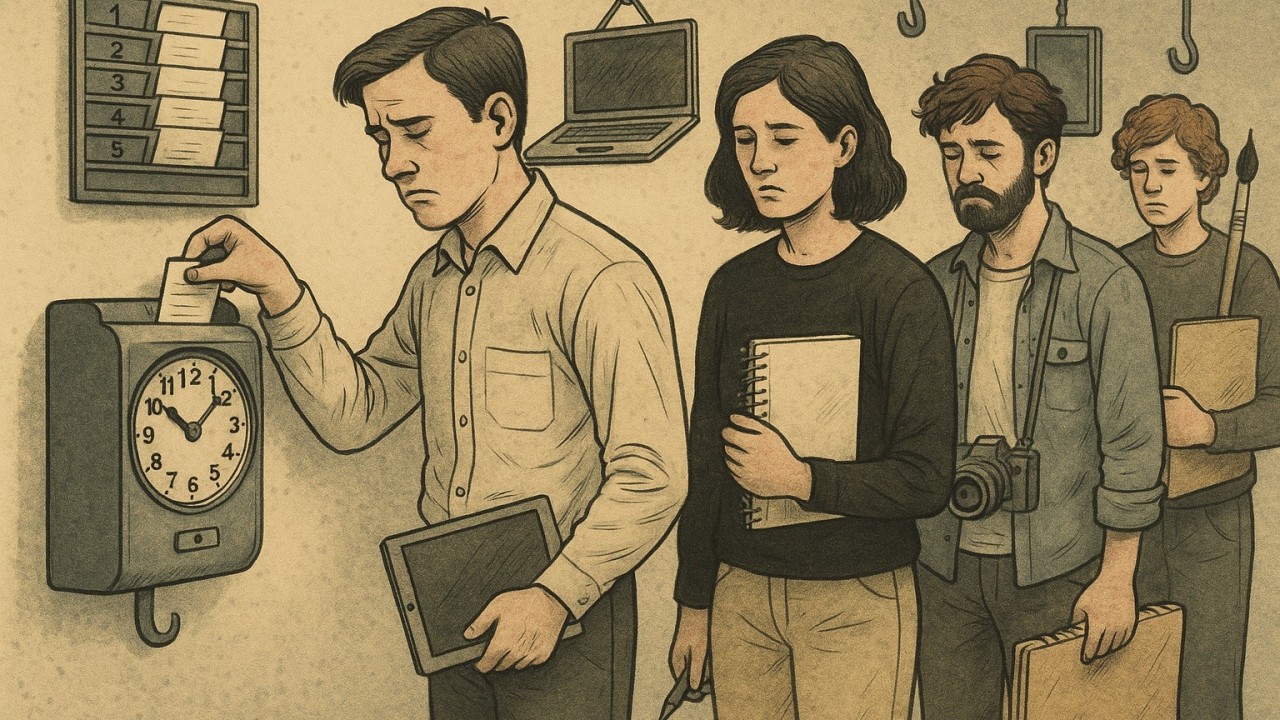
Marketing becomes less a discipline and more a factory — producing content, assets, and campaigns as if on a conveyor belt.
And the people inside it begin to behave accordingly.
The Human Impact: Marketing Has Become a Factory Job, Not a Calling
Marketing was never supposed to feel like clock-punching factory work.
But when:
- creativity is undervalued,
- strategy is underfunded,
- workloads are unrealistic,
- teams are understaffed,
- leaders are punished for long-term thinking,
- layoffs follow even profitable quarters…
…people stop bringing passion to the table.
They do the work. But they no longer live the work. And that is the most dangerous trend of all.
So Is Capitalism Killing Marketing?
Not capitalism itself. But the short-term, quarterly-obsessed version of capitalism we practice today Absolutely.
Marketing cannot thrive under a system that:
- rewards cost-cutting more than creativity
- values immediate ROI over long-term brand equity
- treats humans as interchangeable
- punishes leaders for investing in people
- misprices the value of experience
- pressures everyone for more… with less
When capitalism forgets the long-term value that creativity, imagination, and strategy bring — marketing becomes one of its first casualties.
Where We Go From Here
Fixing this requires a shift in shareholder and leadership mindset, not a shift in workers. If we want this industry to matter again, we have to rebuild the emotional contract that was broken — and do it intentionally, not reactively. We must:
- Re-invest in strategic and senior talent
- Protect creative depth and craftsmanship
- Push back against purely short-term measurement
- Rebuild loyalty through transparency and humanity
- Educate boards and shareholders about long-term brand value
- Restore the dignity and creativity of the marketing profession
Marketing doesn’t die when budgets shrink. Marketing dies when the people inside it stop caring.

More Insights
Advertising Has an AI Problem — and It’s Called Imagination
May 12, 2026

What Agency Executives Can Learn from the Most Successful Steakhouses
June 10, 2025

The Declining Value of Customer NPS Surveys
October 9, 2024
The Fallacy of Customer Experience as a Priority in Marketing Organizations
August 26, 2024
The Cobbler Has Worn-Out Shoes…The Case for Ad Agency Consultants
April 22, 2024

Navigating the In-House vs. Agency Conundrum
March 26, 2024
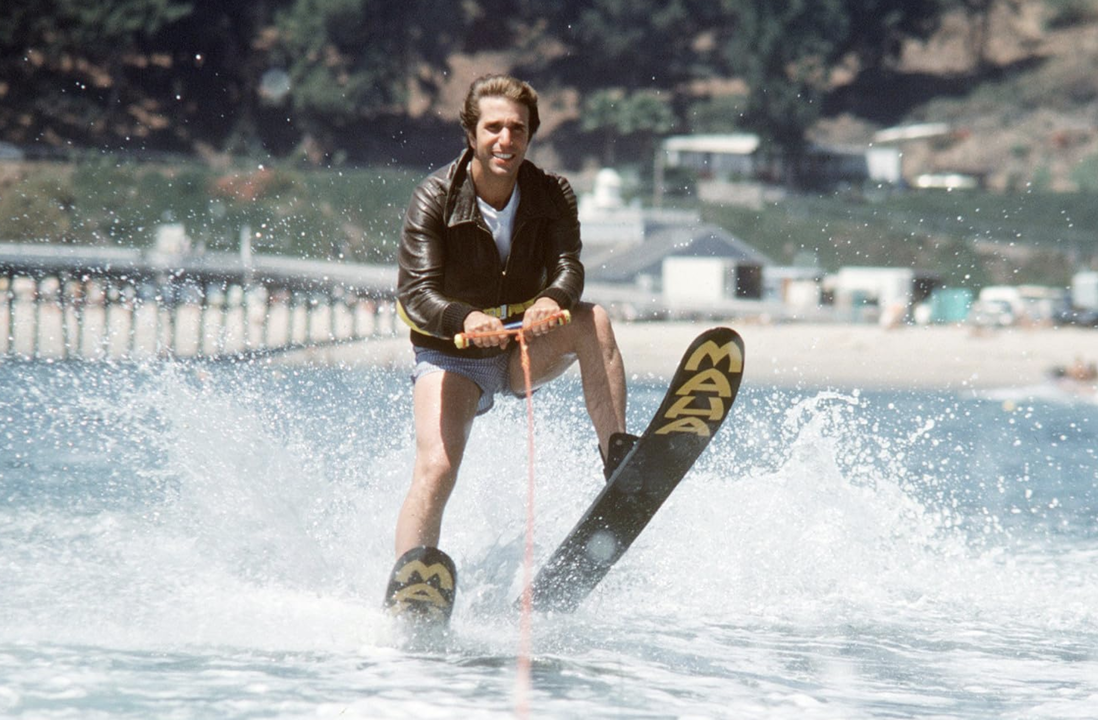
Today’s Digital Marketing Trap: Have Analytics Jumped the Shark?
March 14, 2024

What Health Insurance Marketers Can Learn From Starbucks
June 30, 2020


I Know Performance Marketing, and You, Sir, Are Not Performance Marketing
March 17, 2016

Nothing Ruins UX Like Putting a Big $ In Front of It
May 28, 2015

Would Everyone Please Stop Calling Salesforce, CRM?
November 10, 2014

What The Brady Bunch Taught Me About Content Marketing
October 29, 2014